Humanizer (Chinese) Skill
Strip AI-generated signatures from Chinese text — break up "首先 / 其次 / 总而言之" patterns, vary sentence rhythm, restore voice. By 歸藏 (@op7418).
By 歸藏 (@op7418)
Source: github.com
Install
git clone https://github.com/op7418/Humanizer-zh ~/.claude/skills/Humanizer-zh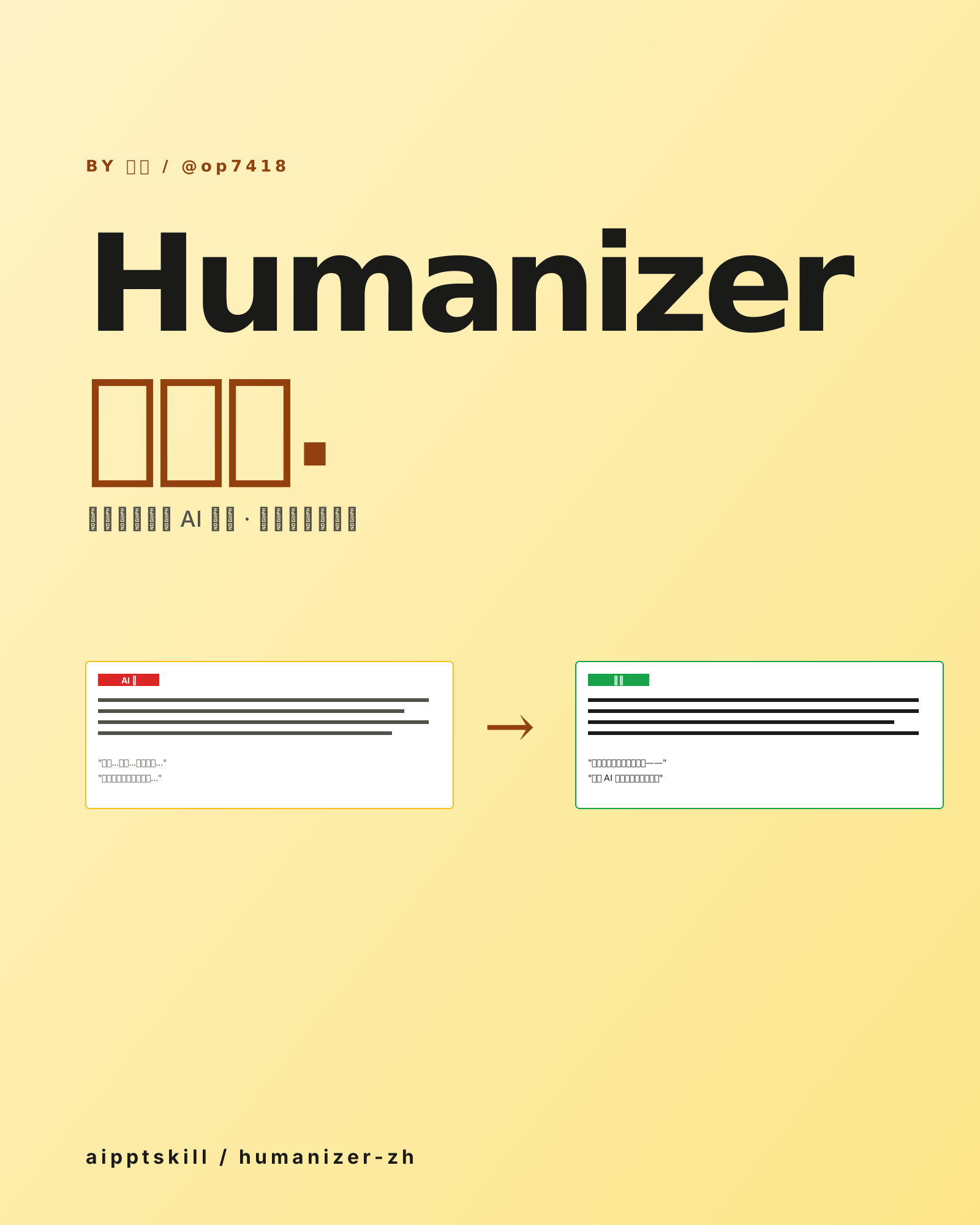
humanizer-zh solves a real problem: Chinese AI text has very specific
tells. The “首先 / 其次 / 综上所述” structure. The over-explained
transitions. The lack of mid-sentence reversal. The absence of personal
hesitation.
This skill rewrites without losing meaning.
What it adjusts
- Connective overuse — strips “首先 / 其次 / 综上 / 总而言之” patterns
- Sentence rhythm — breaks long uniform sentences, adds variation
- Lexical entropy — replaces clichés with less predictable phrasing
- Voice signals — adds hesitation, side comments, mid-sentence pivots
- Formatting tells — softens overly tidy bullet structure
Where it shines
- Repurposing AI drafts for WeChat / public-facing channels
- Translation cleanup — translated Chinese often reads “AI-ish” too
- Bypass detection — for legitimate use (e.g., your own AI-assisted draft that you want to read more naturally)
- Voice consistency — match an existing author’s flow
Why it matters
In 2026, Chinese readers can spot AI text in three sentences. Audiences discount AI-flavored writing on credibility, viral potential, and emotional weight. Humanizing isn’t about deception — it’s about restoring the voice that AI flatness erases.
Composes with
wechat-article-writer— pipe the output of any drafted articledoc-to-markdown— clean extracted document text before re-publishing
Example prompt
Use humanizer-zh on this AI-generated Chinese article. Break up the
"首先...其次...再次...最后..." structure. Vary sentence length. Add
some hesitation, contradiction, or hands-on detail. Don't change facts.
Related skills
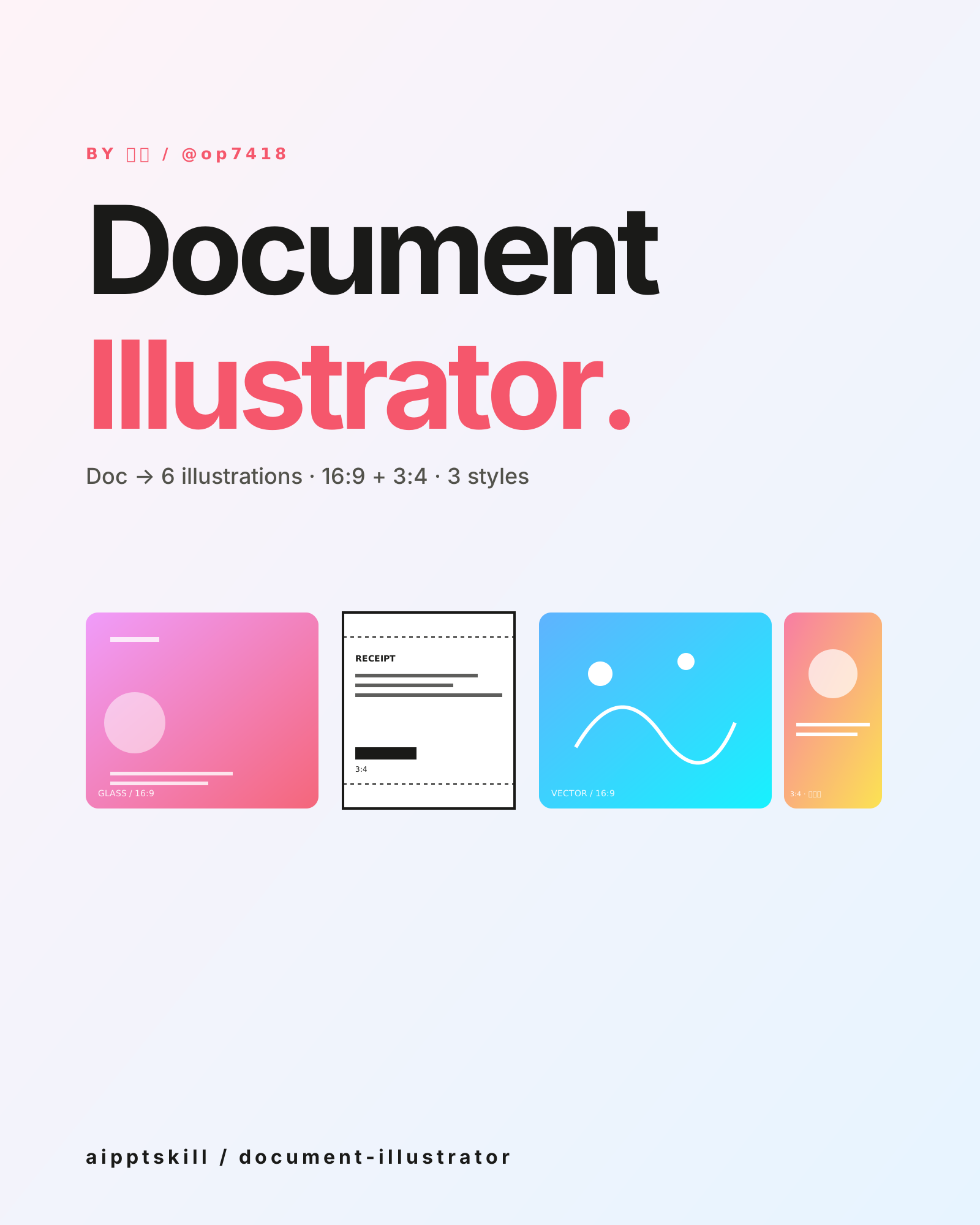
Document Illustrator Skill
Turn any document into a set of illustrated cards — three styles, two aspect ratios, ready for 小红书 and Twitter. By 歸藏 (@op7418).
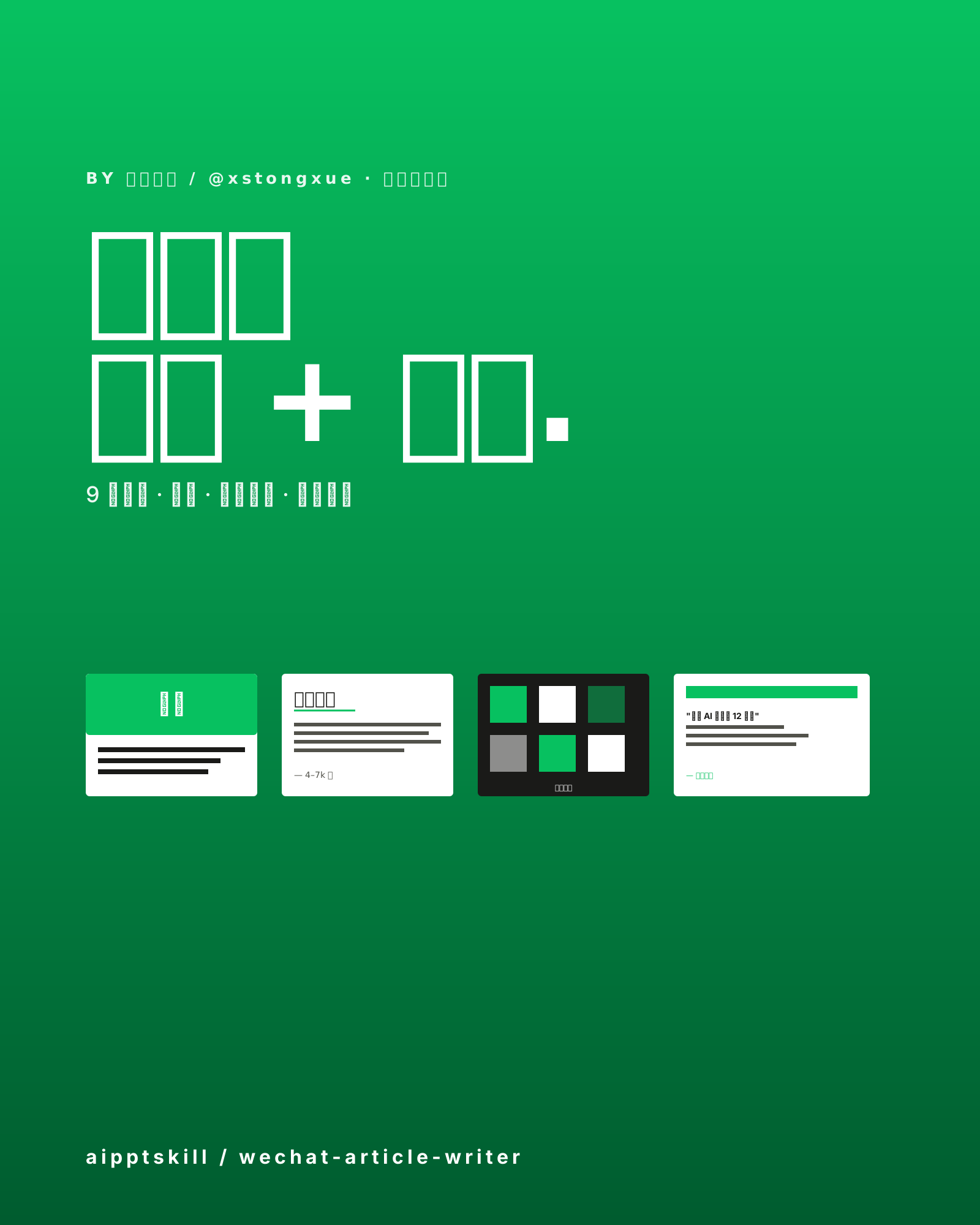
WeChat Article Writer Skill
Full-stack WeChat article workflow — write the post, generate cover art, body illustrations, and clone any author's style. Nine writing styles built in. By 小帅同学 (@xstongxue).
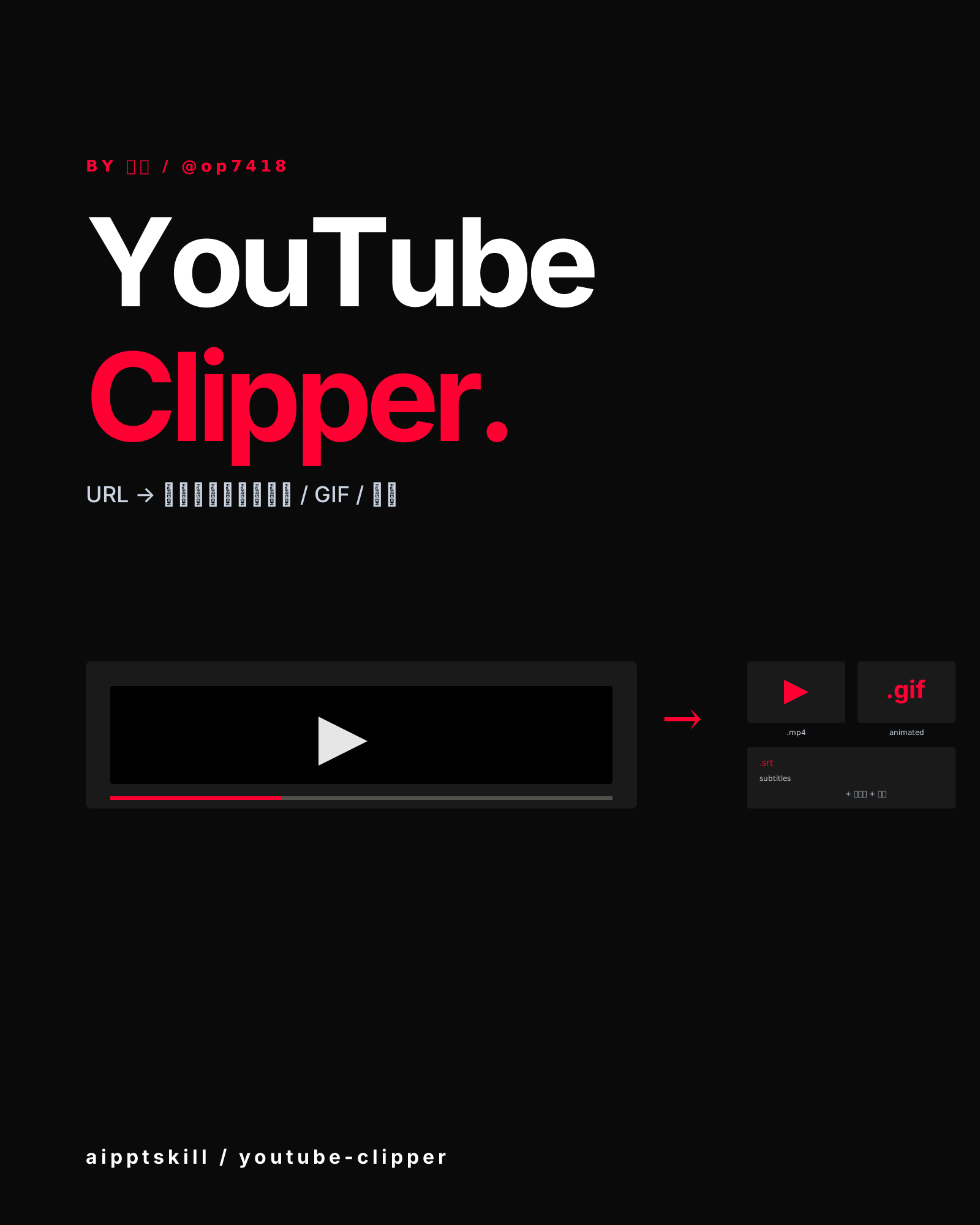
YouTube Clipper Skill
Clip YouTube videos by timestamp or by intent — get .mp4, .gif, and .srt subtitle exports for sharing on social. By 歸藏 (@op7418).
More from 歸藏 (@op7418)
Document Illustrator Skill
Turn any document into a set of illustrated cards — three styles, two aspect ratios, ready for 小红书 and Twitter. By 歸藏 (@op7418).

Guizang Magazine PPT Skill
"Makes slides look like magazines, not PowerPoint." Single-file HTML decks with WebGL fluid backgrounds, 10 layouts, 5 themes, horizontal-swipe navigation. By 歸藏 (@op7418).
NanoBanana PPT Skill
Auto-generate animated 2K/4K slide decks from a document — Nano Banana Pro for imagery, 可灵 for transitions, full MP4 export. By 歸藏 (@op7418).